
How to pass a mouth swab fast without risky moves: a practical, product‑aware cheat sheet
You get told there’s a mouth swab today. No notice. Your heart spikes. Here’s the hard truth: what you do in the next couple of hours matters more than anything you did last month. Fail, and that job or promotion can vanish. Pass, and you move forward. You want a clean, fast plan that works in the real world—without weird stunts that raise red flags. What changes your saliva in minutes? What’s a waste of time? And how do you pick between rinses, gums, and simple steps when the clock is ticking?
Stick with me. You’ll get a clear map of what a cotton swab can see, how long different drugs hang around in saliva, and the exact, low-risk actions that nudge the odds in your favor. We’ll compare popular quick tools side by side, call out the traps that cause invalid results, and build a same-day plan based on your timing and use history. Ready to make smart moves—fast?
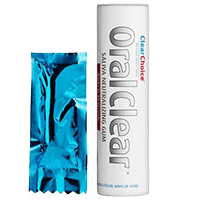
- Acts in 30 seconds
- Most effective to pass a drug test
- Lasts for 30 minutes
- Legal
What a mouth swab can and cannot see
A mouth swab drug test, sometimes called an oral fluid or saliva drug test, collects saliva from your cheeks, gums, and under the tongue. The collector rubs a sponge or cotton tip around your mouth for one to three minutes. It is usually observed. The sample gets read on-site with a small strip or device, or it gets sealed and sent to a lab for confirmation. You won’t have privacy tricks here. It’s up close and quick.
These tests look for parent drugs or their metabolites. That means the actual drug or the breakdown products that show recent exposure. Panels vary. A basic panel often includes THC, cocaine, amphetamines, opiates, and PCP. Expanded panels can include benzodiazepines, barbiturates, methadone, buprenorphine, and more. Employers pick the panel based on policy and job risk.
Why do workplaces like saliva? Because it catches recent use. Many drugs show up in oral fluid within thirty to sixty minutes of use and can remain detectable for a day or a few days. That makes saliva common for pre-employment screens, post-incident checks, roadside stops, and rehab monitoring. It is about what happened lately, not last month.
Every test uses cutoffs. A cutoff is the threshold where a negative flips to positive. If your level is under the cutoff, it reports negative—even if tiny traces are present. On-site strips show lines to indicate negative or positive. If a screen shows positive, labs use immunoassay screening and confirm with specific methods like gas chromatography-mass spectrometry. Those confirmatory methods are very accurate and hard to dispute.
What can you change last minute? You can influence the mouth environment: saliva flow, pH, and how much residue is sitting on the cheeks and gums. You can rinse, you can stimulate saliva, and you can choose products that temporarily change the mouth surface. What you cannot do is erase heavy, very recent use. That’s the line to keep in mind.
Why the last day matters more than the last month
Saliva testing is about the recent past. Many drugs appear in saliva in under an hour and remain detectable for about twenty-four to seventy-two hours. Frequency matters. If you use THC occasionally, saliva often clears in about one to two days. If you use daily, it can linger around three days or more.
Typical windows in oral fluid look like this: alcohol up to about twelve to twenty-four hours, cocaine up to one to three days, amphetamines and meth up to three days, and opiates about two to four days. PCP can push out to three to five days. These are ranges, not promises. Dose, potency, and your own metabolism—age, body mass, hydration—shift the timing. Higher potency and frequent use extend risk.
The closer your last use is to collection, the less any quick fix can do. That’s why stopping as soon as you sense a test coming is the single best move. Everything else is about reducing residue and avoiding dry mouth so you slide under the cutoff.
Cutoff levels and windows that decide pass or fail
To set realistic expectations, it helps to see typical cutoffs used in workplace testing. These values are commonly referenced in employer programs and reflect standards used by large labs and federal guidance. Actual panels can vary by employer, lab, and state policy.
| Analyte | Typical screen cutoff | Typical confirm cutoff | Common saliva window |
|---|---|---|---|
| THC | about 3–4 ng/mL | about 1.5–2 ng/mL | occasional about 1–2 days; frequent about 2–3+ days |
| Cocaine | about 15–20 ng/mL | about 6–8 ng/mL | up to about 3 days |
| Amphetamines | about 50–150 ng/mL | about 25–120 ng/mL | up to about 3 days |
| Methamphetamine | about 120 ng/mL | about 120 ng/mL | up to about 3 days |
| Opiates or oxycodone | about 30–40 ng/mL | about 30–40 ng/mL | about 2–4 days |
| PCP | about 3–10 ng/mL | about 1.5–3 ng/mL | about 3–5 days |
| Alcohol | device dependent | device dependent | about 12–24 hours |
Remember: your result is a yes or no around these thresholds. Being just under the cutoff usually reports as negative. Hydration, saliva flow, and oral hygiene can push measured concentration downward by diluting or removing residue on oral tissues. But those steps do not remove drug from your body. Heavy or frequent use increases baseline levels in saliva and makes last-minute tactics less reliable.
- Acts in 30 seconds
- Most effective to pass a drug test
- Lasts for 30 minutes
- Legal
Quick actions that change saliva chemistry
Same-day, low-risk steps can reduce oral residue or lower concentration in the mouth. The goal is to keep saliva fresh, flowing, and free of debris right before collection—without drawing suspicion.
Keep a steady trickle of water or mild herbal tea throughout the day. Fresh saliva dilutes metabolites in the mouth. Don’t chug a large amount right at the door. That can leave your mouth overly wet and trigger an invalid sample on some devices.
Use sour candies to stimulate saliva. Citric acid bumps flow and can shift mouth pH slightly. Suck rather than chew. You want steady stimulation, not a sticky mess on your molars.
Chew gum. Mint or citrus gum increases saliva and helps wash residues from the cheek and gum line. Sugar-free is easier on your teeth and less obvious. Keep it low-key.
Brush teeth, tongue, and inner cheeks gently and thoroughly a few hours before collection. Replace an old brush if the bristles are worn. Do not brush immediately before the swab. Give yourself ten to twenty minutes after brushing so your saliva returns to a normal state.
Swish and spit plain water several times in the hours before testing. Do a brief rinse ten to fifteen minutes before the swab if allowed. Keep it short. You want saliva that feels natural at collection.
For THC only, a small high‑fat snack shortly beforehand may bind some residue. THC is lipophilic. Think peanut butter on a cracker or a few nuts. The effect is modest and timing sensitive. It will not fix very recent or heavy use.
Avoid dehydrating drinks like coffee and alcohol on test day. They can cause dry mouth and concentrate residues. Dry mouth also makes sample collection harder and can lead to invalid results.
Do not eat, vape, or smoke in the last thirty minutes before the test. Crumbs and aerosols spike residues and can turn a borderline case into a positive screen.
Food and drink choices that help or hurt
What you choose on test day can nudge risk up or down. Keep it simple and predictable.
Helpful choices include water sips, mild herbal tea, sour citrus candies, sugar-free gum, a gentle brushing routine, and short water swishes. If THC is your only worry, a small high‑fat snack about an hour prior is neutral to mildly helpful. Do not overdo fats. You don’t want stomach upset or greasy residue right before collection.
Risk-increasing choices include coffee and energy drinks, which dry the mouth; alcohol, which is both dehydrating and a policy issue on its own; spicy foods that can irritate tissues; dairy or sticky foods that leave residue; and strong pigments or oils that can stain the mouth or contaminate the swab. Skip poppy seeds and unverified herbal “detox” teas. They add confusion without offering proven day-of benefit.
Rinses and gums that act within minutes
People reach for fast tools when notice is short. These products are designed to change the mouth environment for a brief window. That is the key phrase—brief window. None of these are guarantees, and very recent or heavy use can still show.
| Tool | Onset | Typical window | How it is used | Pros | Cons |
|---|---|---|---|---|---|
| Toxin Rid Rescue Wash | minutes | about 2–4 hours | swish and spit in thirds | compact, simple routine | cost, taste, temporary effect |
| Stinger Detox Mouthwash | minutes | about 30–60 minutes | sip, swirl, swallow as directed | no sink needed, widely available | shorter window, mixed reports for heavy use |
| Oral Clear type gum | under a minute | about 30 minutes | bite to release liquid, swirl, chew | ultra discreet, fastest onset | pricey, shortest window |
| Supreme Klean mouthwash | minutes | short, similar to peers | swish as labeled | alternative flavors and price points | limited independent data |
| Hydrogen peroxide rinse | minutes | about 30 minutes | diluted swish and spit | budget option | irritation risk, imprecise, not designed for this use |
Detox mouthwashes aim to reduce or mask oral residues. Saliva‑neutralizing gum releases a liquid that changes conditions fast. Hydrogen peroxide is an oxidizing rinse some people use as a last resort. It is short-lived and needs care. The big differences are time to peak effect, window length, taste, price, and whether you can use them without a sink. Again, heavier or very recent use can overwhelm these short windows.
Toxin Rid Rescue Wash explained
Here is an objective look at a popular option many consider when planning how to pass a mouth swab on short notice.
What it is: TestClear’s Toxin Rid Rescue Wash Mouthwash. Single-use, about one ounce bottle. It is meant for immediate pre-test use. Ingredients often cited by sellers include aloe vera, witch hazel, mint, ascorbic acid, magnesium, and glycerin. It is alcohol-free. The idea is to swish and spit in thirds.
How to use it in practice: sip about one-third of the bottle, swish and gently gargle for two to three minutes, and spit. Repeat two more times. Some instructions suggest using a mint afterward. We have found the biggest mistakes are rushing the swish or using it too early and letting the window close before collection.
Timing: many users report it becomes useful within minutes, with a reported window around two to four hours. That window can vary based on exposure level and how carefully you follow the routine. For heavy and very recent use, the effect is less reliable.
Pros: it is compact, discreet, and straightforward. Some sellers advertise money-back policies. The window is longer than many competitors, which helps with scheduling and travel time.
Cons: the cost can feel high for a single use, taste complaints pop up, and the effect is temporary. It is not a cure-all. Availability is usually through an official seller to avoid counterfeits.
Practical note from what we see: do not over-rinse repeatedly for long periods. Overly dilute saliva—especially if you show up with a mouth that looks “washed out”—can trigger an invalid sample. That usually means an immediate retest, which is extra stress you do not need.
Want to compare a gum-style option side by side? See our guide to Oral Clear chewing gum for a fast, ultra-discreet window when you cannot get to a sink.
Stinger Detox Mouthwash explained
Stinger Detox Mouthwash is another common choice. It is about two ounces, flavored, and alcohol-free. Some versions instruct you to sip small amounts, swish at least a minute, and swallow, repeating until the bottle is finished. Ingredients highlighted in marketing include taurine, niacin, L‑lysine, D‑ribose, and MSM. The goal, like other rinses, is to change the oral environment quickly.
Timing: it acts fast, but the practical window is often around thirty minutes to about an hour. That is shorter than many report with other rinses, so timing is more sensitive. Plan to use it close to the collection without rinsing again right at the door.
Pros: pleasant taste, easy to use on the go, no sink required, and widely available. Cons: shorter window and mixed reports for heavy users. Price varies with the seller. As with all products in this space, beware of knockoffs.
One note we share with people: the swallow instructions are mainly about discretion and convenience. The primary goal is altering the mouth environment for a brief period, not detoxing your entire system.
Oral Clear gum in context
Saliva‑neutralizing gum fits a very specific need: no sink, no privacy, and seconds to act. Oral Clear is a jelly-filled gum that releases a liquid designed to change mouth conditions quickly. Effects can begin within about thirty seconds, and the claimed effective window is about thirty minutes. You bite to release the liquid, swirl it across cheeks and gums, and keep chewing as directed. Some labels advise swallowing; follow the product instructions exactly.
Pros: ultra-discreet, fastest onset, and useful for surprise situations. Cons: it is single-use and pricey, and the window is the shortest. Reports are variable for heavy users. In short: if you only have a few minutes and no place to spit, this category can be your only practical tool. If you want a deeper look, our walkthrough of Oral Clear chewing gum covers how people time it in real settings.
- Acts in 30 seconds
- Most effective to pass a drug test
- Lasts for 30 minutes
- Legal
Supreme Klean and other niche rinses
Supreme Klean Saliva Detox Mouthwash is another marketed rinse with claims of fast, temporary effects for oral swabs. Directions mirror competitors: swish as directed shortly before the test and follow label timing closely. Pros include alternative price points and flavors. It is easy to carry. Cons include sparse independent data and a short window similar to peers. The flavor can be noticeable if used right before collection, which may draw questions depending on the collector.
Our rule of thumb across brands: pick a product you can follow precisely. Inconsistent use causes more failures than brand choice.
Using hydrogen peroxide safely
People ask about hydrogen peroxide because it is cheap and common. Here is a harm-reduction view. If you choose to try it, only use three percent hydrogen peroxide. If your mouth is sensitive, dilute it with equal parts water. Swish for no more than sixty seconds, spit it out, and follow with a water rinse. Do not swallow. Repeat at most once, with a plain water rinse between. The active window is short—roughly thirty minutes—and overuse can irritate tissues and gums. That soreness can draw attention during collection.
Rinsing seconds before the swab can cause an invalid result. Give yourself ten to twenty minutes of normal saliva before collection. For most people, a purpose-built detox mouthwash is easier to dose predictably than peroxide. And to answer a common search: how long to gargle hydrogen peroxide? Keep it brief—no longer than a minute per swish at this concentration. More is not better.
Things that disrupt an oral swab
Small mistakes can cause big headaches. The most common issue is not having enough saliva due to dry mouth, dehydration, or anxiety. That can produce an invalid result and force a retest. Eating or rinsing right at the door can also cause problems. Some devices flag excessive fluid or outside agents. Strong alcohol or oxidizing rinses used seconds before the swab can trigger suspicion or invalids.
Food debris, oils, or colored residues on the tongue and cheeks can contaminate the pad. That is why we avoid sticky foods, heavy dyes, and oily rinses near collection time. Certain medications and OTC products can cross-react on initial screens, but confirmed positives go to a lab method that sorts this out. And holding liquid in your mouth to dilute saliva can be spotted by a trained collector. It can lead to a retest or policy action. Subtle, steady prep works better than flashy moves.
THC specific notes for different users
THC is the most common concern in saliva testing, so here is a focused view. For occasional use, saliva often clears in about twenty-four to forty-eight hours. Same-day steps—saliva stimulation, gentle hygiene, and a detox mouthwash—can help if last use was not very recent. For moderate use, think several times a week, plan for up to forty-eight to seventy-two hours. Stack safe steps and consider a vetted mouthwash for a thirty to two hundred forty minute window. For heavy daily use, saliva may remain above the cutoff up to seventy-two hours or longer. No rapid method is dependable at that level. Time and abstinence do more than any rinse or gum.
Because THC is lipophilic, a small high‑fat snack shortly before testing may pull some residue from oral tissues. The effect is modest. Do not rely on this alone. Home remedies like vinegar, extreme flushing, or harsh chemicals are unreliable. Some can damage tissues. Avoid those.
Notes for alcohol and nicotine screens
Alcohol behaves differently. Alcohol in saliva is typically detectable up to about twelve to twenty-four hours. Mouth alcohol from rinses or drinks can spike readings for a short time. If there is any chance of an alcohol check, skip alcohol-based mouthwash and alcoholic beverages. Choose alcohol-free rinses instead.
Nicotine and cotinine saliva tests exist. Cutoffs and windows vary by device, but recent use is the main risk. Saliva stimulation with gum and water helps maintain natural flow. Do not vape, smoke, or use nicotine lozenges near test time. Read your test notice carefully. If alcohol or nicotine are listed, avoid products that might mimic those analytes.
Reading device lines and reports
On many on-site devices, two lines—a control and a test line—mean negative. One line in the control position only means positive. No control line is invalid and calls for a retest. Staff are trained to read the brand in front of them, so let them do the interpreting. Most on-site screens give preliminary results in minutes. If something is positive or inconclusive, a lab confirmation usually follows. Confirmed lab reports tend to come back within twenty-four to seventy-two hours.
If you disclose prescriptions or OTC medications, a medical review officer may contact you. Inconclusive or invalid often means the sample was insufficient or compromised. Expect a prompt retest. Consequences for a positive vary by employer or authority. Some decline to hire. Others allow a second chance or refer to a program. Policies differ by role, industry, and state.
A small case note from our research community
We host community education events around research and testing mechanics. At one open house, volunteers tried a simple A and B routine using over-the-counter saliva strips. Not lab grade—just basic teaching tools. One group kept steady water sips and used a sour candy in the fifteen minutes before trying a strip. The other group did no prep. The goal was not to test drug-positive cases. It was to show how saliva flow and acidity can affect collection and line clarity.
We saw faster saturation and clearer control lines with the water and sour candy group. It reinforced something obvious but easy to forget under stress: fresh saliva and avoiding dry mouth can nudge concentrations and make collection smoother. This is not proof of passing with drugs present. It is a practical demo that mechanics—flow and pH—matter. That lines up with published guidance in employer testing programs that emphasize proper hydration, natural saliva, and avoiding contamination.
Choose your short term plan
Pick an approach based on your time and exposure. Keep it simple. Keep it consistent.
Good option when you cannot buy anything and notice is very short, and you are an occasional user: stop all use right away. Start gentle, frequent water sips to avoid dry mouth. Brush teeth, tongue, and inner cheeks several hours before the test. Do short water swishes through the day. Wait at least ten to twenty minutes after brushing or rinsing so saliva returns to normal. Use sour candies or sugar‑free gum to boost saliva flow. Avoid eating or rinsing in the last ten to twenty minutes before the swab.
Better option when you add a rinse and you are a light or moderate user: follow the good option and then use a detox mouthwash precisely as labeled. If you choose Toxin Rid Rescue Wash, do the swish‑and‑spit routine. If you choose Stinger, follow the sip‑swirl instructions. Time your use so the window—about thirty to two hundred forty minutes, depending on the product—overlaps collection. Keep saliva flowing naturally and avoid heavy rinsing at the door.
Best layered option for moderate users with a little more time: four to six hours out, keep steady hydration and gentle hygiene with occasional water swishes. About sixty to ninety minutes out, if THC is the only concern, add a small high‑fat snack and then swish with water and wait. About thirty to forty-five minutes out, use your chosen detox mouthwash exactly as labeled. In the last ten to twenty minutes, do not eat or drink. Breathe calmly. Avoid extra rinses that could trigger invalids.
Low cost path without specialty products
If buying a rinse or gum is not possible today, you can still cut avoidable risk. Set a hydration rhythm: small sips of water or herbal tea each hour. Do not chug right before the test. Do thorough but gentle brushing. Clean your tongue and the inner cheeks. If your brush is worn, replace it. Use sour lozenges or sugar-free gum for saliva stimulation. Do plain water swishes through the day.
If you choose to use three percent hydrogen peroxide, keep it cautious. One brief, diluted swish for thirty to sixty seconds, then spit, followed by a water rinse, and leave a fifteen to twenty minute buffer before collection. Avoid dehydrators like coffee and alcohol. Avoid sticky or greasy foods right before the swab. Do not try new, intense oral products that could irritate tissues or stain the mouth.
Health, ethics, and workplace realities
Nothing here is a guarantee. Very recent or heavy use can still be detected even with products or careful routines. Overusing rinses or swallowing oxidizers can be unsafe. Some roles—especially safety-sensitive ones—carry stricter rules and oversight. Employers build policies to reduce risk. Those rules may feel blunt, but they exist for safety.
If substance use is affecting your health or job stability, consider confidential help from a clinician or support program. If you have prescriptions, follow instructions on disclosure. Do not alter or fake medical information. When in doubt, ask HR or a medical review officer how to document legitimate medications. Policies vary by employer and state. This information is for educational purposes only and does not replace professional consultation.
Deep dive answers to common questions
How long does weed stay in your system after a couple of puffs? In saliva, occasional use often clears in about twenty-four to forty-eight hours. Potency, how you used it, and your own metabolism can stretch or shorten that. If the last use is close to collection, do not expect quick fixes to erase it.
How accurate are mouth swab drug tests? When done correctly, they are quite accurate for recent use. On-site screens can have false positives or negatives, but confirmed positives go to a lab using specific methods that are highly reliable. Proper collection and timing matter a lot.
What happens if you fail a mouth swab? Employers vary. You could see a non-hire, a termination, a retest, or a referral to a program. Union contracts, state rules, and job type all play a role. If you have a prescription that explains a result, a medical review officer may clear it after review.
What color does a saliva drug test turn if you fail? Most devices show lines, not colors. Two lines—control plus test—usually mean negative. A single control line often means positive. No control line is invalid. Devices differ, so the collector follows the brand’s guide.
How to pass a mouth swab in about twelve hours? Your best shot is to stop use immediately, keep steady water sips to avoid dry mouth, do gentle brushing and water swishes with a buffer before testing, stimulate saliva with sour candy or gum, and, if possible, time a detox mouthwash so the window overlaps the collection. That said, if your use was very recent or heavy, twelve hours may not be enough.
How far back will a mouth swab go? Usually one to three days depending on the substance. Alcohol is shorter, about twelve to twenty-four hours. THC for occasional use often clears in one to two days and stretches with frequency.
How long does THC stay in saliva? For occasional use, about one to two days. For frequent use, two to three days or more. Some heavy daily users report longer. Lab cutoffs set where a positive begins, and that is what drives the pass or fail call.
How to pass a drug test with THC in your system? Time and abstinence are the most reliable. For saliva tests only, you can improve odds with hydration, oral hygiene, saliva stimulation, and a timed detox mouthwash. But heavy or very recent use remains hard to mask.
Product notes and purchase guidance
If you are comparing options that people often use when facing a saliva test on short notice, choose based on timing, discretion, and cost. A rinse like Toxin Rid Rescue Wash is a compact, simple routine with a longer reported window. A gum like Oral Clear is the most discreet and fastest, with a very short window that fits surprise situations. If you want to review the broader brand family that includes detox kits, our overview of Toxin Rid explains how these products are positioned and what they claim, so you can decide if a same-day mouthwash fits your scenario.
A quick reference map for race day
If you only remember three ideas while you walk into the test, make them these. First, keep saliva natural and flowing—steady water sips, sour candy, and calm breathing. Second, clean the mouth gently and allow ten to twenty minutes for saliva to normalize before collection. Third, if you use a rinse or gum, time it so the active window covers the swab, and avoid extra rinses right at the door that could cause an invalid. Simple beats flashy under pressure.
Important note: This guide is for educational purposes only. It does not provide medical, legal, or workplace advice. Policies and laws vary. For personal decisions, speak with qualified professionals.