
Macujo Method Steps: A Cautious, Practical Framework for Hair Drug Test Prep
You’re staring at a hair test on the calendar, and the clock won’t slow down. Your job, your freedom, maybe even custody—everything feels like it’s riding on a few strands of hair. Most guides promise miracles. You don’t need miracles; you need a clear plan you can follow without wrecking your scalp or your budget. In the next few minutes, you’ll learn a careful, step-by-step framework for Macujo method steps—what they are, why people try them, how to pace them, and where the risks really sit. Will this help you more than panicked scrubbing the night before? That’s the question worth answering.
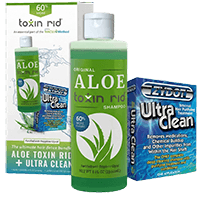
- Highly effective for drug tests
- Effective for heavy users
- Suitable for dreadlocks and dark hair
- Used in Macujo and Jerry G methods.
Read this caution before trying any harsh hair cleanse
This guide is educational. It is not medical, legal, or safety advice. Hair detox routines—including any version of the Macujo method—are unproven, risky, and can burn skin or damage hair. If you have a health condition, recent chemical treatments, or any doubts, consider speaking with a licensed professional and weighing other options.
There are no guarantees. Hair testing labs are built to clean the surface and look inside the hair shaft. If a routine leaves strong odors or obvious damage, that can draw attention. Stop all substance exposure immediately; abstinence helps more than any product. Head hair commonly reflects around three months of growth; body hair can reach further back. If you have eczema, psoriasis, sensitive skin, or recently bleached, relaxed, or permed hair, your risk of burns and breakage increases. Some people decide not to use harsh routines at all in these cases.
Protect yourself while you work. Use gloves, eye protection, and good ventilation. Avoid inhaling fumes from detergents or astringents. If anything stings hard, makes you dizzy, or causes shortness of breath, rinse thoroughly and stop. Don’t use these routines on children or on body hair; irritation can be severe. Keep expectations grounded: user reports vary. Timing, hair type, products, and careful execution all matter.
From the HDBase perspective: our work is to curate careful biomedical data and reduce harm. We explain what people report and where the science points. We do not endorse harsh regimens. If you move forward, do it thoughtfully.
Disclaimer: This information is for educational purposes only and does not replace professional consultation.
What happens inside a hair strand when labs test it
Hair isn’t just a smooth thread. Think of it like a pencil. The hard paint on the outside is the cuticle. The wood underneath is the cortex. The thin center (the medulla) doesn’t matter much for testing. As your hair grows, tiny amounts of drug metabolites can enter from your bloodstream and get locked into the cortex. Some residues also stick to the surface from smoke or oils, but labs try to wash that away before analyzing.
The catch: cuticle scales overlap like shingles. Ordinary shampoo mostly cleans the surface and the oil layer. Once residues sit in the cortex, they can hang around for months. That’s why people try harsh routines. The idea is to lift or soften the cuticle, strip oils, and use penetrating shampoos to reduce detectable residues. It’s challenging because hair tests are designed to defeat simple masking. The lab removes surface gunk and then analyzes the inside of the hair shaft.
- Highly effective for drug tests
- Effective for heavy users
- Suitable for dreadlocks and dark hair
- Used in Macujo and Jerry G methods.
What people mean by the Macujo method and why it exists
When people say the Macujo method, they usually mean a multi-step wash sequence using acids, astringents, laundry detergent, and detox shampoos—often repeated many times. Two versions are common: the original seven-step routine and a longer, more aggressive “Mike’s Macujo.” The core idea stays the same: open and soften the cuticle, strip oils, then flush with products like Old Style Aloe Toxin Rid and finish with a strong surface cleanse such as Zydot Ultra Clean.
Why do people try it? Stakes are high, especially with THC, which tends to bind to hair oils. Reports claim the method focuses on THC, with mixed results for other substances. It’s time-consuming and uncomfortable. Some users still choose it because they feel it’s their best shot short of shaving (which can trigger body hair testing).
What you’ll set on the counter before you begin
Having the right supplies—and understanding what each one does—keeps you from guessing mid-routine. Here’s a quick reference you can keep open while planning.
| Item | Role in the routine | Notes |
|---|---|---|
| Nexxus Aloe Rid (Old Style/”Aloe Toxin Rid”) | Main detox step aimed at penetrating and flushing residues | Authenticity matters; counterfeits are common and performance varies |
| Zydot Ultra Clean | Test-day finisher for a thorough surface cleanse | Often used only on the morning of collection |
| White or Heinz vinegar | Acidic pre-soak to soften cuticle scales | Helps other steps penetrate; can sting |
| Clean & Clear Deep Cleansing Astringent | Salicylic acid to strip oils and residue | Protect skin edges with petroleum jelly |
| Tide liquid laundry detergent | Strong surfactant to remove build-up | Fragrance-free preferred; use a tiny amount |
| Baking soda paste (optional for Mike’s variant) | Raises pH to assist cuticle lift | Short contact time; can be drying |
| Rubber gloves, goggles, shower cap/cling film | Safety and better product contact | Ventilate well; avoid fumes |
| Vaseline (petroleum jelly) | Protects hairline, ears, and neck | Apply a thick band before acidic or detergent steps |
| Warm water, clean towels, new comb/brush | Prevents recontamination between cycles | Wash linens and tools often |
Purchasing tip: plan for enough authentic product. Running out halfway pushes you toward risky substitutions.
Macujo method steps explained step by step
Here’s the original sequence laid out plainly. Read all steps before you start. Work slowly and protect your skin. If your scalp feels raw at any point, pause and space your cycles.
Pre-step: Stop all exposure, including secondhand smoke. Wash your combs/brushes with hot water and soap. Use fresh towels and change pillowcases to avoid putting residues back in your hair.
Step one: Wet hair with warm—not hot—water. You want even saturation without scalding your scalp.
Step two: Put on gloves. Massage white vinegar into your scalp and hair for about five to seven minutes. Expect a mild sting. If it burns sharply, rinse and dial back.
Step three: Apply Clean & Clear Deep Cleansing Astringent over the vinegar-soaked hair. Massage gently for five to ten minutes. Before you start, coat your hairline, ears, and neck with petroleum jelly to reduce irritation.
Step four: Cover with a shower cap or cling film. Wait about 45 to 60 minutes. Keep it out of your eyes. This dwell time is where softening and diffusion happen.
Step five: Rinse thoroughly with warm water for five to seven minutes. Don’t rush. Leaving acids on your scalp makes the next steps harsher than they need to be.
Step six: Wash with Old Style Aloe Toxin Rid. Work the shampoo through your scalp and along the strands for five to ten minutes. Leave it on for a short dwell (often around five minutes), then rinse very well. Follow your bottle’s directions closely—think of this as the core cleanse in the Macujo method steps.
Step seven: Use a very small amount of Tide—dime-sized or less. Gently scrub hair and scalp for three to five minutes. Rinse until hair feels squeaky and the water runs clear. Tide is powerful; more is not better.
Finish: Many people save Zydot Ultra Clean for test day and end the cycle with a thorough rinse now. If your test is the same day, carefully follow the Zydot label after the above steps.
Repeat: Plan multiple full cycles across several days, depending on exposure level and scalp tolerance. Details on pacing are below.
- Highly effective for drug tests
- Effective for heavy users
- Suitable for dreadlocks and dark hair
- Used in Macujo and Jerry G methods.
Why each step is there and how it’s supposed to work
There’s simple chemistry behind the sequence. Vinegar, an acid, helps soften and lift cuticle scales. That makes it easier for later steps to get closer to the cortex. Salicylic acid (in the astringent) breaks down oils and films that protect the cuticle and trap residues. Heat and occlusion under a cap keep everything moist so the actives can diffuse rather than evaporate.
Old Style Aloe Toxin Rid is used for its surfactants and solvents (people often mention propylene glycol) aimed at penetrating into the hair shaft and flushing away residues. Tide is a strong laundry detergent; its surfactants and enzymes tackle stubborn build-up. But it isn’t cosmetic-grade, so go light. Zydot Ultra Clean is treated as a final surface cleanse. It helps clear residues that might have risen to the surface in earlier steps.
In some versions, users add pH cycling—acid then base, or vice versa using a baking soda paste. The theory is that shifting pH opens the cuticle further, then cleansers do their work. Even with this chemistry, reaching cortex-embedded metabolites is tough, and results vary. That’s the honest limitation.
Mike’s Macujo variant and when people try it
Mike’s version usually adds more total steps and more cycles. A typical flow might include an early Aloe Rid wash, a brief baking soda paste step, more astringent time under a cap, and multiple Tide and Aloe Rid passes within a single cycle. People with heavy or daily THC exposure gravitate to this approach, often reporting 10 to 18+ cycles over one to two weeks.
Example sequence people share: Aloe Rid wash → baking soda paste (about five to seven minutes) → astringent under cap for around 30 minutes → Tide → Aloe Rid → vinegar → astringent under cap again → Tide → Aloe Rid. Claims of very high “success rates” are anecdotal and depend on strict abstinence, real product authenticity, hair type, and scalp tolerance. Irritation risk rises with each extra pass, so skin protection and spacing matter more.
How many cycles to run and how to plan your schedule
Match your plan to exposure level and your scalp’s tolerance. Here’s a repeatable framework that respects both.
Light or occasional use: Aim for three to four full cycles spread over three to five days. Use Zydot the morning of collection.
Moderate use (about weekly): Plan five to seven cycles over five to seven days. Watch for irritation and extend the spacing if your scalp turns tender.
Heavy or near-daily use: Consider eight to twelve cycles over seven to fourteen days. Some people report fifteen to twenty with Mike’s variant, but comfort and skin health should guide you. More scrubbing on a damaged scalp doesn’t help.
Try to leave at least eight to twelve hours between cycles if your scalp feels sore. Prioritize the final seventy-two hours before collection with two careful cycles, then Zydot on test morning. Keep tools and linens clean the whole time. If you only have forty-eight hours, two to three careful cycles are safer than nonstop scrubbing. A calm, intact scalp is an asset.
What to do in the last 12 hours before collection
Keep it simple and low risk. Avoid new products or strong fragrances that scream detergent or vinegar. Do a gentle warm-water rinse. Then follow the Zydot Ultra Clean directions exactly. Air dry or use a cool setting. Skip heavy styling products, oils, or sprays. Wear clean clothes and sleep on a fresh pillowcase the night before. Don’t shave your head; labs can take body hair, which may show an even longer window.
Avoid these common mistakes that quietly ruin your efforts
Small misses add up. The most frequent slip is skipping abstinence. Even secondhand smoke can settle on hair and undo your work. Rushing rinses is another problem; leftover acids or detergent only inflame your scalp and make the next round worse. Don’t dig your nails into the scalp—microtears raise the sting and flaking. Use fingertips, not nails.
Reusing contaminated towels or combs puts residues right back. Keep your tools freshly cleaned. Substituting key products can backfire; off-brand shampoos or fake Aloe Rid often underperform. Protect your skin edges with petroleum jelly before acidic or detergent steps. Don’t run all cycles the night before; an angry, peeling scalp draws attention and can shed damaged hair.
Listen to burn signals. If your eyes sting, your breathing feels irritated, or your skin weeps, stop and rinse. Overusing Tide is another hidden risk—use a small amount. Finally, plan costs. Running out of a key product midweek forces substitutions that rarely help.
If your scalp reacts, dial it back without losing your progress
Pacing saves you. Add more time between cycles—twelve to twenty-four hours helps. Shorten the astringent contact to fifteen to twenty minutes. Stick with lukewarm water; hot water makes irritation worse. Switch to fragrance-free Tide and reduce the quantity, or skip the Tide step if your skin is inflamed.
Protect the edges better with a thicker petroleum jelly band along the hairline, ears, and neck. Can you use conditioner after Macujo method steps? The safest choice is to wait until after the test. If dryness is severe, use a very light rinse-out conditioner the night before and then re-wash with Zydot on test morning. Avoid oils or leave-ins; they trap odors and residues. If flaking or oozing shows up, pause the routine. Health first.
Keep residues from coming back between washes
Think of this as contamination control. Sleep on fresh pillowcases and rotate clean hoodies or beanies—they collect smoke and oils. Avoid smoky rooms and any hotboxing. Wash hands before touching hair and tie it back in risky environments. Use dedicated clean towels, and launder them with a gentle, fragrance-free detergent. Don’t share combs or brushes. Wipe hair tools like clips or flat irons before use.
Costs, smart buying, and spotting fakes before you spend
Budget matters. Authentic Old Style Aloe Toxin Rid (often sold under the Nexxus Aloe Rid name) can run well over $130 per small bottle. Zydot Ultra Clean sits around the mid-$30 range. Vinegar, astringent, Tide, and baking soda are inexpensive. Heavy users often need more than one bottle of Aloe Rid; plan ahead to avoid substitutions at the worst moment.
Buy from reputable sellers. Watch for vague labels, missing batch info, or weird packaging—those are red flags. Expect a total spend from roughly $180 to over $300 depending on cycles and product authenticity. Don’t overbuy backups until you confirm one bottle is legitimate and your scalp tolerates the routine. When people ask, does the Macujo method ruin your hair or does Macujo method damage hair—the honest answer is that frequent cycles can cause dryness and breakage. Right purchasing and pacing keep risks lower.
How Jerry G stacks up when money or time forces a choice
The Jerry G method is a different path. It relies on bleaching and an ammonia-based dye to blast open the cuticle, followed by a detox shampoo and sometimes a baking soda paste. It typically starts about ten days before a test, with a repeat bleach/dye after that window, then a final detox wash on test day. It can be cheaper and faster in terms of product count.
The trade-off: higher damage risk. Bleach can make hair brittle and cause serious scalp irritation. Results are mixed, similar to Macujo. Many users still finish with Zydot on test day. If you’re choosing between Macujo and Jerry G, consider your scalp sensitivity, your hair’s current condition, and your timeline.
What results to expect and where this method falls short
People most often target THC with Macujo method steps. Reports show some passes after multiple cycles with authentic products and careful spacing. For other drugs, results are mixed and less documented. Is the Macujo method permanent? No. It doesn’t erase history. New hair keeps growing, and the old hair still contains what it contains. How long does the Macujo method last? Think of it as a preparation window—not a permanent state.
Heavy users may need many more cycles and still not reach the goal. Some pivot to Jerry G late in the process. If a lab switches to body hair, head-hair routines don’t help, and body hair may show an even longer window. Be prepared for that possibility and avoid shaving your head to dodge the sample. Labs can still detect residues despite visible cosmetic damage. That’s the built-in limit of any hair detox approach.
After the ordeal, help your hair recover
Once the collection is done, treat your hair gently. Return to a mild, sulfate-free shampoo and a gentle conditioner. Add a hydrating mask once or twice a week. Avoid heat styling for several days and let hair air dry when possible. Trimming split ends helps prevent breakage from traveling up the shaft. If you consider supplements, talk with a clinician. Hydration and balanced nutrition support recovery better than another product binge.
Field example under a probation deadline and limited funds
One reader shared a setup that mirrors what we see often. Weekly cannabis use, six days’ notice for a court-ordered hair test, about $200 to spend. The plan: five cycles of the original Macujo spread over six days, then Zydot Ultra Clean on the morning of collection. They avoided all smoke exposure, used a new towel and comb, and swapped pillowcases nightly. After the third cycle, the scalp stung. They reduced the astringent contact to twenty minutes and cut Tide to a pea-sized amount. The reported result was a pass. The likely keys: full abstinence, a clean environment, consistent cycles, and authentic products. The surprise was that patience beat panic. More wasn’t better—measured steps worked.
A one week planner you can adapt quickly
Use this as a template. Adjust to your window and how your scalp feels.
| Day | Plan | Notes |
|---|---|---|
| Day One | One full original Macujo cycle | Deep clean tools and switch to clean linens |
| Day Two | Rest scalp | Warm-water rinse only; avoid exposure |
| Day Three | One to two cycles depending on tolerance | Rinse thoroughly; watch for irritation |
| Day Four | Rest or one cycle if moderate/heavy use | Protect skin edges; don’t rush rinses |
| Day Five | One cycle | Reduce Tide if scalp feels tight or dry |
| Day Six | Final full cycle | Keep environment smoke-free |
| Day Seven | Zydot Ultra Clean only | Air dry; no styling products; clean clothes |
Heavy-use option: add one extra cycle on Day Four or Day Five if your scalp allows. If you feel increasing burn, back off and extend spacing instead.
Short answers to tricky details people ask about
Can you use conditioner after Macujo method steps? Safest is after the test. If hair is painfully dry, use a light rinse-out the night before and then re-wash with Zydot in the morning.
What does Tide do in the Macujo routine? It acts as a strong surfactant to strip stubborn residues. Use very little to limit irritation and dryness.
Macujo method without Aloe Rid—does it work? User reports say results drop. Some people add more cycles or a baking soda step, but outcomes are inconsistent.
Baking soda’s role? In Mike’s variant, a brief paste raises pH to help lift cuticles before astringent and shampoo steps.
Macujo method for alcohol? Most community reports focus on THC. Hair alcohol markers (EtG/FAEE) behave differently; assume Macujo may not help there.
Does the Macujo method work for all drugs? Mixed reports beyond THC. It’s not a universal fix.
How many times should you run it? Light use: three to four cycles. Moderate: five to seven. Heavy: eight to twelve or more, spaced to protect your scalp.
Macujo method burns—what now? Rinse, add more time between cycles, reduce Tide/astringent contact, protect skin edges, and consider pausing the routine if irritation persists.
Frequently asked questions
What shampoo will pass a hair follicle test? There is no guaranteed shampoo. Community reports most often name Old Style Aloe Toxin Rid for repeated prep cycles and Zydot Ultra Clean as a final wash on test day. Authenticity and careful use matter more than brand names alone.
Will bleach help me pass a hair drug test? Bleaching and dyeing (the Jerry G method) can reduce detectability for some people, but it’s harsh and risky. Damage and mixed results are common. Many still use Zydot as a final step.
Does the Macujo method really work? Sometimes, especially for THC, when people do multiple careful cycles with authentic products and strict abstinence. There are no guarantees, and outcomes vary by hair type, timing, and use level.
Is using the Jerry G method or the Macujo method for body hair safe? Both pose higher irritation risks on body hair, and labs may prefer body hair if head hair isn’t available. Harsh routines on body hair are not advised.
Is there a way to reverse the hair damage caused by Jerry G and the Macujo method? You can support recovery with gentle shampoos, conditioners, and time. Hydration, nutrition, and trimming split ends help. Severe damage needs rest, not more chemicals.
How to get weed out of hair? The commonly cited approach is repeated Macujo cycles with authentic products, strict abstinence, clean tools and linens, and Zydot on test day. It’s not a sure thing, but it’s a structured plan.
Is there an alternative to the Macujo method? The main alternative people discuss is the Jerry G method. It’s simpler on products but rougher on hair and scalp.
Does Mike’s Macujo method work? Anecdotally, some heavy users report success with many cycles and added steps like baking soda. Irritation risk goes up; authenticity and spacing are key.
Is the Macujo method safe for hair? It’s harsh. Dryness, burns, and breakage can happen. If you proceed, protect your skin, space cycles, and keep quantities small—especially with detergent and acids.
Where we stand and how to proceed safely
We don’t promote harsh hair regimens. We lay out what people report and how to reduce harm if you decide to try. Abstinence and time are your strongest tools. If you move forward, follow a measured plan, protect your skin, and avoid last-minute overuse. Budget for authentic products or rethink the approach; weak substitutes often backfire.
If you have a skin condition or recent chemical treatments, consider pausing and talking with a professional. Even multiple cycles may not overcome heavy, recent use. Preparing for all outcomes—with a calm, realistic plan—keeps you safer than chasing a “100% guarantee” that doesn’t exist.
For context and careful product info, you can review the pages on Nexxus Aloe Rid and Zydot Ultra Clean. Use them thoughtfully. Your health comes first.