
Whizzinator claims under DOT rules: a sober guide for CDL drivers who are tempted to try
You’re betting your CDL on a plastic gadget. That’s the hard truth. If you’re staring at a test date and wondering whether a Whizzinator can keep your career alive, you’re not alone.
You want a clean result and a clear path back to work. You also don’t want to end up flagged in the Clearinghouse or charged with tampering.
Here’s the promise: in the next few minutes, you’ll see what actually happens in a DOT collection room, what labs look for, what real people report, and a legal, step-by-step way to protect your job without breaking rules. Ready to hear what most ads never say—and why it matters before you walk into that site?
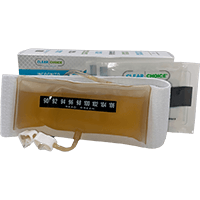
- Complete, all-in-one kit
- Identical to real urine
- Invisible under clothes
- Maintains perfect temp
Why CDL drivers end up Googling this device in the first place
For safety-sensitive roles, DOT and FMCSA rules are zero-tolerance for prohibited drugs. That includes THC metabolites in urine even if your state legalized cannabis or you hold a medical card. One violation can be reported to the federal Clearinghouse and stall a new job, trigger removal from duty, and force a Substance Abuse Professional (SAP) process. That’s why search terms like “what is the whizzinator,” “whats a whizzinator,” “does the whizzinator work,” “whizzinator reviews for probation,” and “how much is a whizzinator” spike right before pre-employment screens, random pulls, or post-accident tests.
Pressure rises under observed collections. A collector can be required to watch urine leave the body into the cup after a temperature problem or suspected tampering. People panic, look for shortcuts, and stumble into prosthetic urination systems. Our stance is cautious and simple: trying to evade a drug test is unlawful, especially under DOT. We will not teach misuse. We will explain the facts, the risks, and legal alternatives that let you keep your CDL and your reputation.
A quick orientation to the device without teaching misuse
A Whizzinator is marketed as a prosthetic urination system. In plain language: it’s a lifelike “whizzinator fake penis” connected to a small fluid reservoir, sometimes sold with synthetic urine. Variants include the original Whizzinator and newer versions like Whizzinator Touch. There are also belt or pouch systems positioned as a “female whizzinator” or unisex option that remove the prosthetic tip but keep a tube-and-reservoir design.
Retail kits typically list items like a vinyl urine pouch, an elastic belt with leg straps, several “whizzinator heat pads,” a small syringe for filling, and a bottle of branded synthetic urine (often referred to as “Golden Shower” or similar). The synthetic sample is advertised to match basic urine checks—creatinine, uric acid, urea, pH, specific gravity—and the required cup temperature (usually 90–100°F at collection). Marketing leans heavily on realism (multiple skin tones), concealability, and a catalog of “whizzinator replacement parts” such as extra pads, tubes, or cleaning solution.
Those are the claims. What you won’t see in the ads is how quickly these promises collide with DOT protocols inside the collection room.
What actually happens during DOT urine collections and why substitution gets flagged early
Before any lab chemistry happens, several practical checkpoints can expose a substituted sample:
Temperature is the first gate. The collector reads the strip on the cup within minutes. Outside the expected range? That’s a documented red flag and can trigger a directly observed recollection on the spot.
Collectors watch behavior. They note time in the restroom, unusual sounds, rustling, or manipulation that suggests tubing or a valve. In observed scenarios, anything that looks like a device gets attention immediately.
Volume and timing are recorded. Producing too little or too much, too fast or too slow, can be suspicious in context. While none of these alone prove tampering, enough anomalies can lead to a recollection or a reported refusal.
Chain-of-custody is tight. Seals, signature lines, and the collector’s remarks exist to capture anything unusual. For DOT, if a temperature is out of range or tampering is suspected, an observed collection becomes mandatory. Prosthetics escalate the risk instantly under those rules.
- Complete, all-in-one kit
- Identical to real urine
- Invisible under clothes
- Maintains perfect temp
What marketing promises versus what independent reports and labs see
Ads promise “discreet,” “realistic,” and “works for supervised tests.” Real-world accounts tell a messier story: heat drift during long waits, valves that click, straps that shift, and synthetic urine that looks or smells off. Some buyers replace the included fluid with different powdered formulas, hoping to better match lab chemistry. That’s a sign the baseline formula wasn’t inspiring confidence.
Here’s the key: collectors and labs don’t need to “detect the Whizzinator.” They only need to document that a sample appears substituted, has invalid characteristics, or that behavior violated the rules. The popularity of these devices is tied to THC’s long metabolite window. But DOT procedures—especially observed collections prompted by irregular temperature—erase the small margins people count on.
Another gap the ads don’t mention: there’s no independent certification that any of these devices can pass a DOT-regulated drug test. Manufacturer claims of quality control aren’t the same thing as compliance with federal testing standards.
Case study: a trainee driver who considered a prosthetic and what happened next
We’ll keep this anonymous, but the pattern is familiar. A trainee received an unannounced pre-employment screen date. He had used cannabis a few weekends prior and still popped positive on an over-the-counter test. He searched “how to use whizzinator,” bought a “whizzinator for men” kit, added extra “whizzinator heating pads,” and planned to “just be careful.”
He practiced at home—lawful, not at a test site—and noticed two problems: the temperature varied more than he expected, and the clip made a faint click during flow. He called a mentor he knew from a company safety program. That conversation changed everything. The mentor explained that if his cup temp was off, the site would flip him to a directly observed collection. He also learned the employer documented any unusual sounds or handling. “Even if you got the chemistry right,” the mentor said, “your behavior in the room could still sink you.”
He chose a different path. He told the recruiter he wanted to meet policy in good faith, disclosed recent off-duty use at a high level (not details), and asked to reschedule the pre-employment date. He kept abstaining, repeated OTC tests until he had two negative first-morning results, and then completed the screen. He stayed eligible and avoided a refusal. That outcome—relief after canceling a risky substitution attempt—is what we repeatedly see when people get accurate information before the test.
A step-by-step decision path that keeps you legal and employed
Here’s a sequential framework you can use without breaking any rules:
Step 1: Confirm the test type and timing. If you hold a CDL or seek a safety-sensitive role, assume DOT-level rigor. Ask whether the test is pre-employment, random, reasonable suspicion, or post-accident. Observed collections can occur after suspicious findings.
Step 2: Stop all non-prescribed substance use immediately. THC metabolites can linger for days to weeks depending on frequency, dose, and body factors. Time helps.
Step 3: Use retail home urine tests to track your status. Test your first morning urine on two consecutive days. Consistent negatives before you schedule or attend a pre-employment screen reduce anxiety.
Step 4: If you’re still positive and the test is pre-employment, consider asking your recruiter or HR for a lawful reschedule. Keep it professional: you intend to meet policy and want to test when you can demonstrate compliance. Avoid detailed medical disclosures to non-medical staff.
Step 5: Talk with your physician about legitimate prescriptions. If an Medication Review Officer (MRO) contacts you, be ready to provide documentation. Follow the lawful process.
Step 6: Hydrate normally and keep your routine. Gimmicks that dilute urine can cause flags. Normal sleep, normal hydration, and arriving on time help your body stay predictable.
Step 7: If you’re in a random pool, review your company’s education materials. Call your Designated Employer Representative (DER) with policy questions. Do not bring devices or fluids to a collection site.
Step 8: If substance use is a concern, self-refer to support or a SAP-aligned program before any violation. Proactive help can be safer than a Clearinghouse entry that follows you for years.
If you want a deeper walk-through on staying compliant without shortcuts, our guide on how to pass a urine test for marijuana explains timing, expectations, and common pitfalls in plain language.
Money math: sticker price versus parts, refills, and hidden costs
Many people see a $130 price tag and think, “That’s cheaper than losing a job.” The real math tells a different story, especially when you include risk.
| Item | Typical cost | Notes |
|---|---|---|
| Whizzinator Touch kit | $129–$150 | Price varies by seller and color variant |
| Extra heat pads | $10–$20 | Often purchased due to heat drift concerns |
| Replacement parts | $10–$40 | Tubes, valves, cleaning fluid |
| Powdered urine refill | $30–$60 | Many buyers prefer these over included fluids |
| Shipping and tax | $5–$20+ | Rush shipping increases cost |
| Likely out-of-pocket | $170–$250+ | When buyers assemble a “backup” kit |
| SAP process and time off-road (if caught) | Varies widely | Fees, missed income, rehire delays |
Now compare that to legal alternatives: two OTC home tests ($10–$30 total), a conversation with your doctor (varies), and time to abstain. One failed attempt can cost far more than doing it right from the start.
Who makes these kits and why “certification” claims don’t equal approval
Whizzinator products are sold by Alternative Lifestyle Systems (ALS). You’ll see references to “medical-grade components,” support lines, and internal testing. What you won’t find is independent, formal approval for passing any regulated drug test, including DOT. Some listings market the device as a novelty or adult prop to sidestep legal scrutiny. That label doesn’t matter in a collection room.
DOT labs follow federal procedures. A “safety-tested” consumer claim is irrelevant to chain-of-custody and substitution determinations. Manufacturer support can replace parts. It can’t erase policy violations.
Detectability factors collectors notice before chemistry
We keep hearing the same tripwires from field programs:
Temperature outside the 90–100°F window draws immediate scrutiny. The collector documents it and can switch to a directly observed collection.
Flow sounds that seem mechanical or clipped, awkward positioning, and visible tubing or straps under clothing increase suspicion. Collectors are trained to notice these cues.
Delay tactics—excess time, multiple attempts, or repeated “adjustments”—often lead to notes on the form and a supervisor call.
Unusual odor or color in low-grade synthetic urine gets attention. Reviewers debate the realism of some branded fluids like “Golden Shower.”
Behavior matters: nervous pacing, refusing to wash hands when asked, or overly rehearsed explanations all get captured in remarks.
Observed collections, gender formats, and body-fit realities people forget
Prosthetic units (“whizzinator fake penis”) come in several skin tones. In a directly observed collection, seams, valves, and placement mismatches can still be visible. Belt-and-tube formats marketed as “whizzinator for women” aim for discretion, but seated or side-view observation exposes flow and handling inconsistencies. Body type also matters: tight clothing can reveal bulk; leg straps shift during movement; hurried adjustments are hard to hide. Under DOT-triggered observation, the collector watches urine leave the body into the cup. Most devices don’t survive that scrutiny.
Comparing formats you’ll see in ads without endorsing any device
You’ll see side-by-sides such as “whizzinator vs urinator.” The trade-offs are familiar: prosthetic realism versus unisex pouch simplicity, chemical heaters versus battery heaters, smaller profile versus increased bulk. “The original Whizzinator” versus “Whizzinator Touch” typically means updated straps, materials, and packs, not a change in the fundamental risk under observation.
Competitors include Monkey Dong, Piss Perfect, and small bottle kits like those promoted with “Quick Fix.” None of these are DOT-approved for testing. DIY searches—“how to make a whizzinator,” “how to make a wizzinator,” or “diy female whizzinator”—invite safety issues, legal exposure, and unreliable performance. Female-oriented options such as “whizz kit” claim discretion but face the same observed-collection rules that often defeat substitution attempts.
If you already bought a novelty prop, legal-safe steps to reduce harm
If you possess a kit, you still have a choice that keeps you safe.
Do not bring devices or synthetic fluids to a DOT collection site. Even possession can escalate suspicion and consequences. Keep the kit for legitimate prop use—film, theater—or discard it according to local rules. Don’t share devices. If unopened and within policy, request a return or refund from the seller.
If you practiced at home, clean any skin-contact components per the manufacturer’s basic hygiene guidance to avoid irritation. If test anxiety is spiking, exit the rabbit hole now and pivot to the legal decision path above. Document abstinence. Ask HR orderly questions. You’ll sleep better.
Legal alternatives that don’t risk your CDL
There’s no magic. For urine THC metabolite clearance, abstinence plus time is the reliable route. For medical cannabis, talk with your clinician about non-prohibited alternatives that still treat your condition and allow you to work safely in a DOT role.
Use OTC home tests to predict your likely result before pre-employment screens. If you believe a violation is possible, self-refer to support services or a SAP-aligned program before you’re tested. That’s often kinder to your record than a refusal or positive. If you want strategies that respect policy and biology, our guide to the best way to detox from THC focuses on timeframes, lifestyle support, and expectation-setting—not gimmicks.
- Complete, all-in-one kit
- Identical to real urine
- Invisible under clothes
- Maintains perfect temp
How to read online reviews and avoid counterfeits when researching
Critical reading keeps you from trusting the loudest voice in a forum. Look for patterns: heat stability complaints, leak stories, or the common “passed unobserved but failed supervised” narrative. Spot “certified” language that doesn’t name an independent body. Counterfeits exist; even promoters tell buyers to purchase “direct from manufacturer,” which still doesn’t make test use legal.
Filter by scenario. Many success posts are pre-employment, unobserved, and non-DOT contexts. That doesn’t map to your reality if you’re subject to observed protocols. And remember selection bias: people who failed cheating rarely post traceable details that would admit a policy violation. The wins are noisy; the losses are quiet and costly.
Quick-reference: chemistry claims in plain English and their limits
Most synthetic urine blends try to match a few core signals: creatinine, urea, uric acid, pH, specific gravity, and electrolytes like sodium or potassium. Some kits include a branded “Golden Shower” sample, while others pair with powdered formulas that buyers believe mimic real urine more closely. Even if those markers are correct, temperature and behavior are the first gates in the collection room. That’s where most attempts fail.
Advanced testing and vigilant observation can still flag substitution—invalid sample characteristics, atypical odor or appearance, or chain-of-custody anomalies. Chemistry mimicry is necessary but never sufficient, and it doesn’t change the legal risk under DOT policy.
A realistic 72-hour plan if you think a test is coming
Use this legal, safe approach to lower risk without shortcuts:
Hour 0: Stop all non-prescribed use. Review your employer policy and DOT guidance. Keep hydration and sleep normal.
Hours 0–24: Buy two OTC urine tests. Plan to test your first morning urine on Day 2 and Day 3. Write down results and times.
Hours 24–48: If you’re still positive and this is pre-employment, ask the recruiter about lawful rescheduling. Keep the discussion professional. Don’t share detailed medical info with non-medical staff.
Hours 24–72: Gather documentation for any legitimate prescriptions. Plan travel so you arrive on time and calm. No gimmicks, no devices.
Throughout: If anxiety spikes or substance use is a concern, contact support services or a SAP resource proactively. A preemptive step beats a violation.
Do this, not that when researching synthetic urine devices
Do learn how urine collections actually work, including temperature checks and observation triggers. Don’t bring any “synthetic urine whizzinator” device or fluids to a collection site—policy treats tampering as a refusal, with serious consequences.
Do use at-home drug tests to monitor your status before a pre-employment date. Don’t rely on “whizzinator heating pads” or battery packs to beat observed protocols; long waits make heat drift more likely.
Do verify seller policies if you bought a novelty prop and want to return it unused. Don’t attempt “how to make a whizzinator” or “diy female whizzinator” builds. They’re unsafe, illegal for testing, and unreliable.
Do talk with your clinician about legal alternatives if you use cannabis for medical reasons. Don’t disclose device possession or detailed off-duty use to non-medical staff; follow proper MRO channels.
Do consider the total cost of a refusal—lost wages, SAP fees, stalled hiring—versus the short-term discomfort of delaying a pre-employment test legally. Don’t assume anonymous success stories apply to your DOT situation.
What field programs see most often when attempts fail
We’ve worked on data systems where integrity is everything. The same principle shows up in collection rooms. Here are repeated patterns we hear from safety programs:
Temperature outside the acceptable range is the most common trigger for an observed recollection. Next most common: audible clip or valve noises, awkward handling, and visible straps.
Heat pads drift over time. People report “warm on arrival, cold at pour,” especially after long waits. Gender-mismatched or poorly color-matched prosthetics draw attention in observed settings.
One more pattern: many who almost tried a device later express relief that they chose abstinence plus a lawful reschedule. They keep their eligibility and avoid a refusal that could follow them for years.
What different readers should take away right now
If you’re pre-employment and worried, pause. Test at home. If not negative yet, ask for a lawful reschedule and keep abstaining. That’s common, professional, and legal.
If you’re in a random pool, stay policy-ready. Do not attempt devices. The risk-reward ratio is terrible under DOT rules.
If you’re on probation or court-ordered testing, expect heightened observation. Tampering can add legal penalties beyond employment consequences.
If you’re thinking about buying a device “just in case,” invest instead in education, OTC tests, supportive routines, and medical guidance. That path respects the rules and protects your license.
If you’re an employer or DER, clear communication about timelines, observation triggers, and MRO processes reduces panic decisions and protects safety.
FAQ: straight answers to real questions people ask
Does the Whizzinator really work?
Reviews are mixed. Some users describe passing in unobserved, non-DOT settings. Many report failures tied to temperature, noise, or collector observation. Under DOT protocols, a device cannot guarantee success, and any substitution is treated as a violation.
Can the Whizzinator be detected?
Collectors don’t have to “find the device.” They document out-of-range temperature, suspicious handling, or observed irregularities. Any of those can lead to an observed recollection or a refusal determination.
Does the Whizzinator work for opiates?
Ads focus on drug-free synthetic urine, not specific analytes. Under DOT rules, attempted substitution is a separate violation regardless of which drug you worry about.
Does the Whizzinator work for alcohol?
Urine alcohol testing exists in some settings, but evasion with a device still violates policy and may be illegal. It’s not a safe or lawful path.
What is the price of the Whizzinator?
Most listings land around $130–$150 for Whizzinator Touch, with add-ons for “whizzinator replacement parts,” extra pads, and refills. Total costs often exceed $170–$250 once you add backups and shipping.
Where can I buy one near me?
They’re sold online and sometimes in adult shops. Owning may be legal in some places, but using a device to defraud a drug test is illegal in many jurisdictions and treated as a refusal under DOT. We recommend against purchasing for test use.
How long does the heating pad last?
Reports range from a few hours to longer, but heat drift is common, especially with long waits or environmental changes. That’s one reason temperature is the easiest place attempts fail.
Can I pass a monitored drug test using a Whizzinator?
Under directly observed protocols, the collector watches urine exit the body into the cup. Prosthetics and pouches are commonly spotted or produce behavior that triggers refusals.
Is it legal to own and use the Whizzinator?
Laws vary by state. Owning may be legal, but using a device to cheat a drug test is illegal in many places and is a violation of DOT policy. When in doubt, seek qualified legal counsel. This information is for educational purposes only.
Sources of authority and standards to check when in doubt
When the stakes are your license and livelihood, go to the source. DOT and FMCSA testing rules—and the federal Clearinghouse—explain exactly how violations and refusals are handled. SAMHSA urine collection guidance describes temperature checks and observed collection triggers. Your employer’s DER can answer policy questions, and the MRO process manages legitimate medical disclosures. Even in our work curating scientific data, the same principle applies: integrity comes first. You want a clean chain-of-custody and a clean conscience. That’s how you keep driving.
Disclaimer: This information is for educational purposes only and does not replace professional consultation. For personalized guidance, speak with your employer’s DER, a qualified clinician, or legal counsel.